
What Is Hypnosis?
Hypnosis is often misunderstood due to its portrayal in pop culture. In reality, it is a well-documented state of focused attention, heightened suggestibility, and deep relaxation. According to the American Psychological Association (APA), hypnosis is a legitimate psychological phenomenon that can be used therapeutically.
What Happens During Hypnosis?
Under hypnosis, individuals are not asleep or unconscious. Rather, they enter a focused mental state where they are more receptive to guidance and positive suggestion. Trained professionals such as clinical psychologists, psychiatrists, and certified hypnotherapists use this state to facilitate therapeutic change.
Is Hypnosis Real? What Science Says
Scientific Consensus
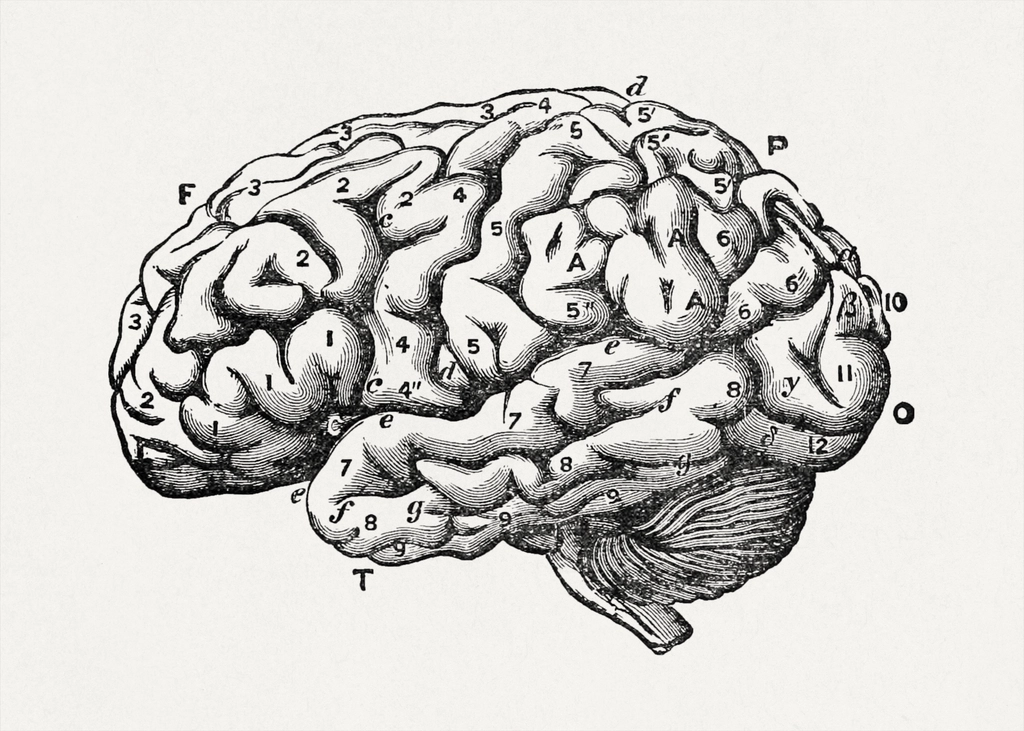
Yes, hypnosis is real and supported by neuroscience and clinical research. Brain imaging studies conducted at Stanford University School of Medicine using fMRI technology show that hypnosis causes measurable changes in brain activity. Dr. David Spiegel, Associate Chair of Psychiatry at Stanford and a leading expert in hypnosis, found that hypnosis affects three brain regions involved in self-awareness and control of body functions.
Peer-Reviewed Evidence
-
A study published in Cerebral Cortex (2016) demonstrated that hypnosis alters brain connectivity, especially in areas related to executive control and self-reflection.
-
According to The Lancet Psychiatry (2015), hypnotherapy is an effective complementary treatment for a variety of psychological conditions, including depression, anxiety, and PTSD.
-
A meta-analysis in the International Journal of Clinical and Experimental Hypnosis revealed that hypnosis enhances outcomes for cognitive-behavioral therapy, particularly in cases of pain and anxiety.
Insights from Medical and Mental Health Professionals
-
Dr. David Spiegel (Stanford University): “Hypnosis is a very powerful means of changing the way we use our minds to control perception and our bodies.”
-
Dr. Deirdre Barrett, psychologist at Harvard Medical School, notes that hypnosis can help patients tap into subconscious patterns and break unhealthy habits.
-
The British Psychological Society has published findings supporting the use of hypnotherapy for pain management and psychological disorders.
Does Hypnosis Work?
Clinical Applications
Scientific studies and professional experience show that hypnosis is useful in the treatment of:
-
Anxiety and stress
-
Chronic pain
-
Irritable bowel syndrome (IBS)
-
Addictions and bad habits
-
Sleep disorders and insomnia
Success Rates and Statistics
-
A 2000 review in the Journal of Consulting and Clinical Psychology found that the average success rate for cognitive-behavioral therapy increased significantly when hypnosis was included.
-
Clinical trials referenced in The International Journal of Clinical and Experimental Hypnosis found hypnosis to have a 77% success rate for smoking cessation compared to just 25% for willpower alone.
-
A 2007 study in Journal of the National Cancer Institute showed that patients undergoing hypnosis before surgery experienced less pain, fatigue, and emotional distress.
What Is Hypnotherapy?
Hypnotherapy is the practice of using hypnosis in a clinical setting to help clients make lasting behavioral or psychological changes. It is typically conducted by trained professionals such as clinical hypnotherapists, psychologists, and psychiatrists.
How Hypnotherapy Works
Hypnotherapy works by inducing a trance-like state in which the conscious mind is relaxed, allowing the subconscious mind to accept positive suggestions. This method has been shown to be effective in addressing:
-
PTSD
-
Phobias
-
Smoking cessation
-
Weight management
Debunking Common Hypnosis Myths
Myth #1: Hypnosis Is Mind Control
Fact: You remain in control and cannot be made to do anything against your will. Hypnosis requires your participation.
Myth #2: Only the Weak-Minded Can Be Hypnotized
Fact: According to studies in Psychological Bulletin, suggestibility is unrelated to intelligence.
Myth #3: You Might Get Stuck in Hypnosis
Fact: There are no cases of people being stuck in hypnosis. The state ends naturally or with a verbal cue from the therapist.
Myth #4: Hypnosis Is Just Placebo
Fact: fMRI scans show that hypnosis changes brain activity and connectivity, unlike placebo, hypnosis impacts cognitive processing and pain perception.
Myth #5: Hypnosis Is Entertainment, Not Therapy
Fact: While stage hypnosis is performed for entertainment, clinical hypnotherapy is a medically and psychologically supported practice backed by peer-reviewed studies and clinical applications.
Why Science Supports Hypnotherapy
Numerous scientific publications have validated the effectiveness of hypnotherapy:
-
American Journal of Clinical Hypnosis reports strong evidence for hypnosis in treating psychosomatic disorders.
-
A 2014 study in Frontiers in Psychology found that hypnosis enhances neuroplasticity, allowing the brain to form new, healthier habits.
-
The British Medical Journal (BMJ) has acknowledged the efficacy of hypnosis in treating IBS, migraines, and tension headaches.
Neuroimaging research has pinpointed changes in:
-
Anterior cingulate cortex: Focused attention
-
Default mode network: Self-referential thought
-
Insula and thalamus: Processing of body awareness
Final Thoughts: Is Hypnosis Real?
Yes, hypnosis is a real, evidence-based practice supported by decades of research from psychologists, psychiatrists, neuroscientists, and medical doctors. When practiced by a certified professional, hypnotherapy can offer powerful results for emotional well-being, habit change, and mental clarity. Science not only validates hypnosis but also recognizes its therapeutic potential across various disciplines.
Ready to Experience the Power of Hypnosis?
